
Beyond Brown v. Board: A Kansas Civil Rights Road Trip
When many people think about Kansas and civil rights history, one place often comes to mind: Brown v. Board of Education in Topeka.
But Kansas’ civil rights story did not begin in a courtroom in 1954.
In fact, it began long before Kansas became a state.
From the territorial battles of Bleeding Kansas and the fight over slavery to Black homesteaders building opportunity on the prairie, lunch-counter sit-ins in Wichita, and presidential leadership during school desegregation, Kansas has long stood at the crossroads of America’s struggle for freedom and equality.
Today, travelers can explore this story across the state through historic sites that tell a deeper, broader story of courage, activism, leadership, and hope.
Ready to hit the road? This Kansas Civil Rights Road Trip connects eight stops that helped shape not only Kansas history, but the American story.
Stop 1: Wichita
Courage at the Lunch Counter
Begin your journey in Wichita, where one of America’s earliest successful lunch-counter sit-ins took place years before Greensboro made national headlines.
In 1958, young activists led by the NAACP Youth Council organized peaceful protests at the segregated lunch counter inside the former Dockum Drug Store Sit-In Site. After weeks of nonviolent demonstrations, the store ended its segregation policy, marking an important early civil rights victory.
While in Wichita, stop by The Kansas African American Museum to dive deeper into the stories of Black Kansans whose leadership, resilience, and achievements helped shape the state.
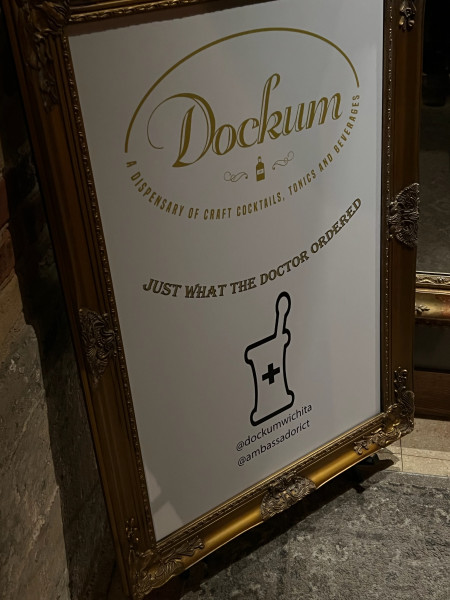 Travel Tip: The Ambassador Hotel Wichita now sits where the historic Dockum Drug Store once was, complete with a speakeasy named Dockum tucked in the basement.
Stop 2: Nicodemus - 240 miles (3 hrs 45 minutes)
A Town Built on Freedom
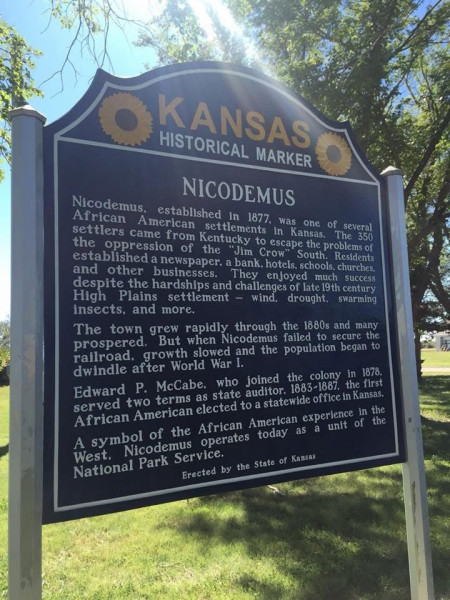 Next, head northwest to one of Kansas’ most remarkable historic destinations: Nicodemus National Historic Site.
Founded in 1877 by formerly enslaved African Americans, Nicodemus became a symbol of hope and self-determination during the Exoduster movement. Families traveled west seeking land, freedom, and the opportunity to build a future on their own terms.
Today, Nicodemus remains the oldest surviving Black settlement west of the Mississippi River. Visitors can explore preserved buildings, hear stories of perseverance, and learn how a determined community created opportunity on the Kansas prairie.
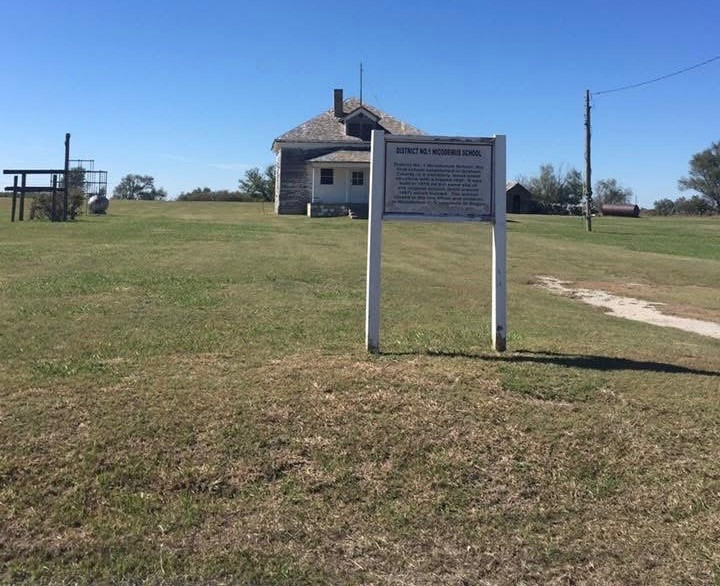 Standing in Nicodemus, it is easy to imagine the courage it took to start over and build something lasting.
Stop 3: Abilene - 125 miles (2 hours)
Presidential Leadership and Civil Rights
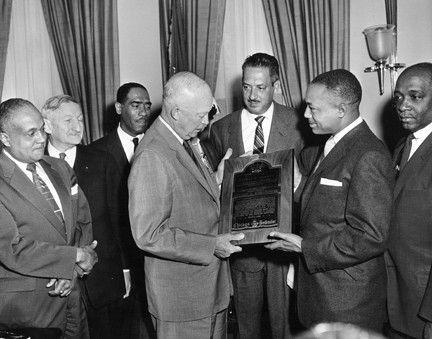 Your next stop is Abilene, home to the Eisenhower Presidential Library, Museum & Boyhood Home, an official stop on the U.S. Civil Rights Trail.
While President Dwight D. Eisenhower is often remembered for his military leadership and the Interstate Highway System, his presidency also intersected with pivotal moments in the Civil Rights Movement.
President Dwight D. Eisenhower often spoke about freedom, citizenship, and civic responsibility. In his 1953 State of the Union message, he reminded Americans:
"Our civil and social rights form a central part of the heritage we are striving to defend on all fronts and with all our strength. I believe with all my heart that our vigilant guarding of these rights is a sacred obligation binding upon every citizen. To be true to one's own freedom is--in essence--to honor and respect the freedom of all others."
— Dwight D. Eisenhower - State of the Union Message, 2/2/1953
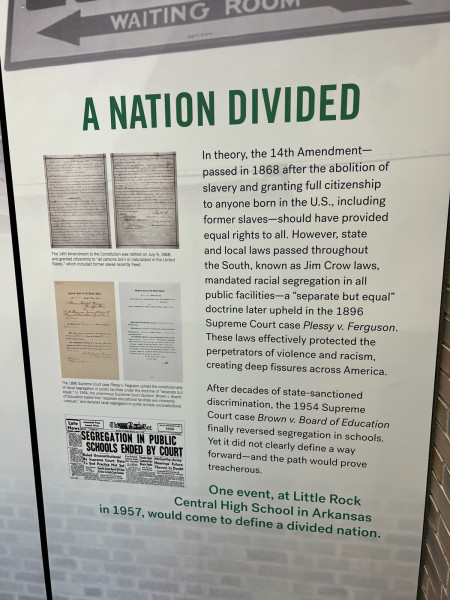
Following the Supreme Court’s decision in Brown v. Board of Education, Eisenhower enforced school desegregation during the Little Rock Integration Crisis by sending federal troops to protect the “Little Rock Nine” and uphold the Constitution. He also signed the Civil Rights Acts of 1957 and 1960, the first civil rights legislation enacted since Reconstruction.
Visitors to the museum can explore exhibits about Eisenhower’s leadership during a pivotal chapter in American history and learn how one Kansas president helped navigate a changing nation.
Eisenhower Presidential Library: Civil Rights Subject Guide
Stop 4: Mount Mitchell & Beecher Bible and Rifle Church - 65 miles (1 hr 10 minutes)
Kansas Before the Civil Rights Movement
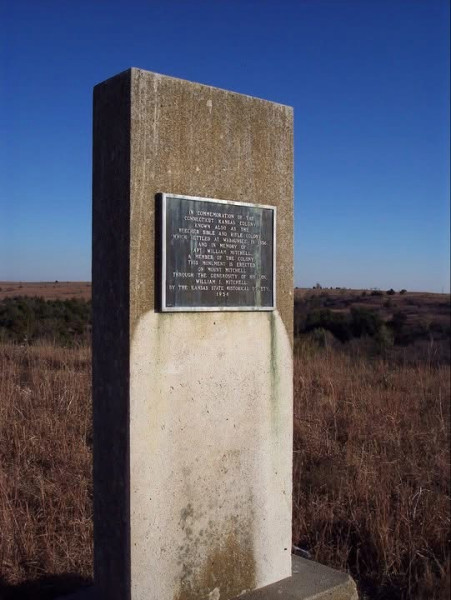 Before Brown v. Board and the Civil Rights Movement of the 1950s and 1960s, Kansas was already central to the national debate over freedom.
Located in Kansas' Flint Hills, visit Mount Mitchell Heritage Prairie Park, which honors Captain William D. Mitchell, a formerly enslaved man, Buffalo Soldier, and community leader who helped African American settlers build new lives in Kansas.
Nearby, the historic Beecher Bible and Rifle Church tells the story of “Bleeding Kansas,” when pro-slavery and anti-slavery forces fought over whether Kansas would enter the Union as a free or slave state.
The church earned its unusual nickname because abolitionists reportedly shipped rifles to Kansas packed in crates labeled as Bibles.
Together, these sites help visitors better understand how Kansas became a battleground in America’s struggle over freedom long before the Civil Rights Movement made national headlines.
Stop 5: Topeka - 45 miles (45 minutes)
The Case That Changed America
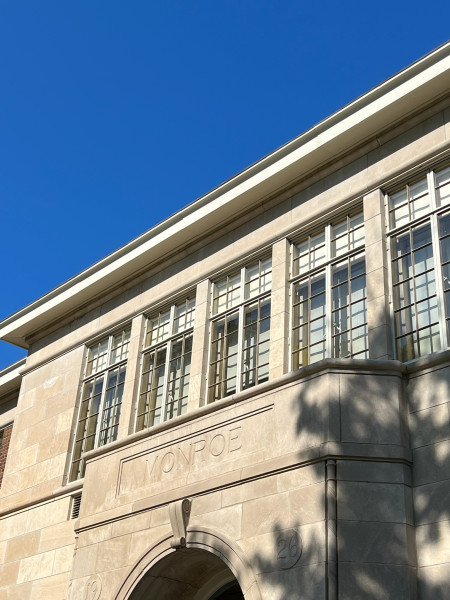 After tracing Kansas’ earlier battles over slavery, freedom, settlement, and activism, visitors arrive at one of the nation’s most pivotal moments in the fight for equality: the Brown v. Board of Education National Historical Park.
Located inside the historic Monroe Elementary School, the museum tells the story of the landmark 1954 Supreme Court decision that declared racial segregation in public schools unconstitutional.
Through exhibits, oral histories, and preserved classrooms, visitors gain a deeper understanding of the families, attorneys, and students whose courage helped reshape education in America.
By this point in the journey, Brown v. Board becomes more than a single court case. It becomes part of a much longer Kansas story.
Learn more about the Crossroads to Freedom
Travel Tip: Before leaving Topeka, take a moment to visit the Brown v. Board Mural, located just across the street from the Brown v. Board of Education National Historical Park. Painted by volunteers and members of the Topeka community, the mural beautifully depicts the ongoing fight for equality, freedom, and civil rights, making it a meaningful stop to reflect on the impact of Brown v. Board of Education.
Before heading east toward Kansas City, make one more stop that helps explain how Kansas became the battleground over freedom long before Brown v. Board reached the Supreme Court.
Stop 6: Lecompton - 15 miles (20 minutes)
The Fight Over Kansas’ Future
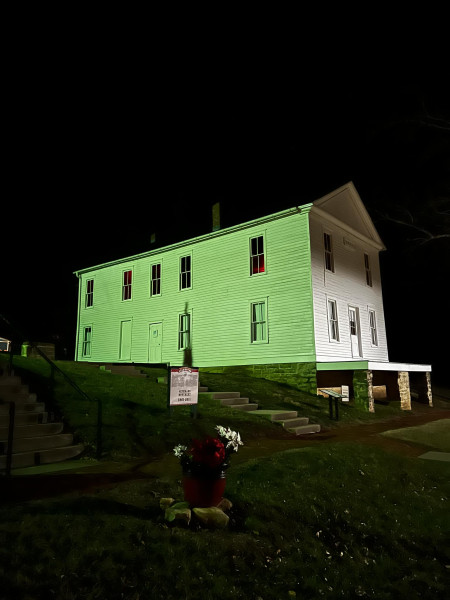 Before Kansas became a state, the question of slavery divided communities, families, and the nation itself.
In Lecompton, visitors can explore the Constitution Hall State Historic Site, where pro-slavery delegates drafted the controversial Lecompton Constitution in 1857. The proposed document sought to admit Kansas to the Union as a slave state, sparking fierce national debate.
Ultimately, Kansas rejected the constitution and entered the Union as a free state in 1861, cementing its role in the national struggle over freedom.
Often called “the place where slavery came to die,” Lecompton offers important context for understanding Kansas’ pivotal role in the national fight over freedom.
Stop 7: Kansas City, Kansas - 45 miles (50 minutes)
A Community Connected to Freedom
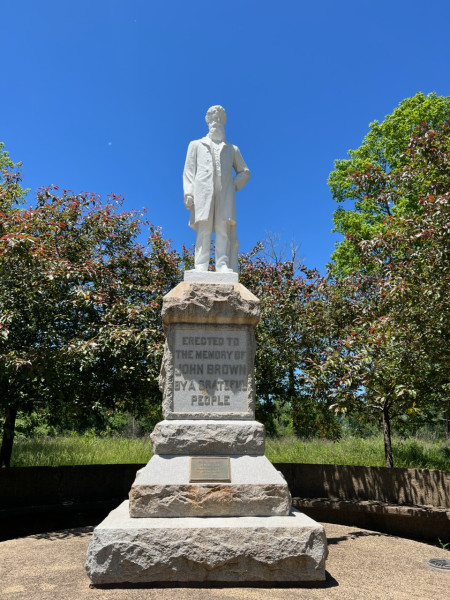 Continue northeast to the Quindaro Ruins Archaeological Park, once a thriving Free-State town with deep connections to abolition and freedom.
Founded in the 1850s, Quindaro became a center for Free-State supporters and trade. Historians believe the community also served as an important Underground Railroad location, helping freedom seekers cross into free territory.
Today, the preserved ruins and interpretive signs offer a chance to reflect on Kansas’ role as a place of refuge and resistance during one of America’s most divisive periods.
Stop 8: Fort Scott - 95 miles (1 hr 45 minutes)
Through the Lens of Gordon Parks
Wrap up your Kansas Civil Rights Road Trip in Fort Scott with a visit to the Gordon Parks Museum.
Born in Fort Scott, Gordon Parks became one of the most influential photographers, filmmakers, writers, and musicians of the 20th century. Through the lens of his camera, Parks documented injustice, poverty, segregation, and everyday life in America, using art to spark conversation and challenge inequality.
The museum honors Parks’ remarkable life and legacy through a meaningful collection of photographs, personal belongings, awards, and memorabilia. Visitors can view some of his iconic works, including American Gothic, images of the Tuskegee Airmen, Muhammad Ali, and scenes that captured both hardship and humanity in America.
After attending the first Gordon Parks Celebration in 2004, Parks personally gifted the museum dozens of photographs. Following his passing, additional personal items, including cameras, awards, and memorabilia, were donated to help preserve and share his story with future generations.
The museum also hosts annual programming tied to civil rights, diversity, and artistic expression, including events honoring Dr. Martin Luther King Jr. and the annual Gordon Parks Celebration.
 Travel Tip: While in Fort Scott, don’t miss the Lowell Milken Center for Unsung Heroes, an inspiring museum that shines a light on ordinary people who made an extraordinary difference in history. Through immersive exhibits and student-driven research, visitors can discover unsung heroes connected to civil rights, justice, leadership, and social change.
Kansas’ civil rights story is bigger than one courtroom, one community, or one moment in time.
It is a story of courage and conviction. Of settlers seeking freedom, students demanding equality, leaders making difficult decisions, and artists using their gifts to challenge injustice and tell stories that mattered.
This journey across Kansas is not complete, and neither is the story it tells. Yet each stop offers an opportunity to better understand the people, places, and moments that helped shape our nation while reminding travelers that Kansas is more than a place to pass through. It is a place where history changed America.
There are many more places, people, and moments that shaped the fight for freedom and equality in Kansas. What other Kansas stops belong on this road trip?
So, hit the road. Explore these meaningful places. Ask questions. Learn something new.
And most importantly, let the journey inspire you!